
Buying Guide
A simple, expert guide to finding the right mattress for your sleep style
Choosing the right mattress can feel overwhelming. With so many options, materials, and features available, it’s easy to second guess your decision. What works for one person won’t always work for another.
After 34 years helping customers sleep better across the Pacific Northwest, we’ve learned something important:
The best mattress isn’t always the most expensive or the most popular. It’s the one that fits your body, your sleep style, and your comfort preferences.
This guide breaks down exactly what you need to confidently choose the right mattress, including key features, use cases, and common mistakes to avoid.
Quick Mattress Buying Guide (Start Here)
- Side Sleepers: Soft to medium mattresses for pressure relief
- Back Sleepers: Medium to firm for proper spinal support
- Stomach Sleepers: Firm to prevent sinking
- Best for Back Pain: Medium-firm with good support
- Cooling: Look for breathable materials or cooling tech
- Average Lifespan: 5–10 years depending on care
Not sure where to start? Browse mattresses by comfort level to quickly narrow it down

Why Choosing the Right Mattress Matters
Your mattress affects how you sleep every single night. Because of that, the wrong mattress can lead to poor sleep, discomfort, and even long-term pain.
- Comfort, Function, and Performance: Your mattress should feel good, support your body properly, and help you sleep consistently through the night
- Long-Term vs Short-Term Use: A mattress is a long-term investment, so focus on lasting support and durability, not just how it feels for a few minutes
- Fit for Lifestyle, Body, and Space: Your mattress should match how you sleep, who you sleep with, and the space it needs to fit in
- Sleep Position: Side, back, stomach, or combination sleepers all need different levels of support and comfort materials
- Body Type: Heavier bodies need more support, while lighter bodies often time need less
- Health Concerns: Back pain, joint pain, or sleep issues should guide your decision
When your mattress matches your body, your habits, and your environment, you fall asleep faster and wake up feeling better.
Types of Mattresses Explained
There are several types of mattresses available, each designed to provide a different feel, level of support, and overall sleep experience. Understanding how each type works will help you narrow down your options and choose the best fit for your sleep style and comfort preferences.
| Type | Best For | Feel | Key Benefit |
|---|---|---|---|
| Pocketed Coil | Back sleepers, couples | Bouncy, supportive | Strong support and airflow |
| Memory Foam | Side sleepers, couples | Soft, contouring | Pressure relief and motion isolation |
| Hybrid | Most sleepers | Balanced | Best mix of support and comfort |
| Gel Foam | Most sleepers | Supportive, cooling | Cooling and support |
| Latex | Side sleepers | Buoyant, Pressure Relieving | Comfort and longevity |
| Adjustable Air | Couples | Balanced | Adjustable comfort and support |
Pocketed Coil Mattresses
Pocketed coil mattresses are the most traditional and widely recognized type. They feature hundreds to thousands of individual springs wrapped in fabric pockets. Because of this, the coils move independently to provide targeted support and reduce motion transfer.
- Best for back sleepers, couples, and those who want strong support with airflow
Memory Foam Mattresses
Memory foam mattresses are made from specialized foam that contours to your body using heat and pressure. Many modern designs include open-cell structures or cooling materials to help regulate temperature and improve airflow. Because of this, memory foam provides exceptional pressure relief and motion isolation.
- Best for side sleepers and combination sleepers who want pressure relief
Hybrid Mattresses
Hybrid mattresses combine the support of pocketed coils with the comfort of memory foam or other materials. The top layers provide contouring pressure relief, while the coil system underneath delivers support, airflow, and durability. Because of this, hybrids offer balanced comfort with better temperature regulation.
- Best for combination sleepers, couples, and those who tend to sleep hot
Gel Foam Mattresses
Gel foam mattresses combine the contouring feel of memory foam with added cooling properties. Because of this, they help regulate temperature while still providing pressure relief and support. They are designed to draw heat away from the body for a cooler sleep experience.
- Best for hot sleepers who still want the feel of memory foam
Latex Mattresses
Latex mattresses are made using natural or synthetic materials, with natural latex derived from rubber tree sap. They offer a responsive, buoyant feel that supports the body without deep sinking. Because of this, they provide pressure relief while maintaining durability and shape over time.
- Best for sleepers who want long-lasting comfort with a more responsive feel
Adjustable Air Mattresses
Adjustable air mattresses use air chambers to let you customize firmness. Because of this, they can be adjusted over time to match your comfort needs. Many models also allow each side of the bed to be set differently.
- Best for couples with different comfort preferences and long-term flexibility
Mattress Firmness Guide
What does firmness mean? Mattress firmness is determined by both the comfort materials and the support system. Because of this, firmness can vary between brands and even between models in the same collection. There is no universal firmness scale, so it is always somewhat subjective.
| Firmness | Best For | Feel |
|---|---|---|
| Soft | Side sleepers, lighter bodies | Plush and pressure relieving |
| Medium | Most sleepers, couples, guests | Balanced comfort and support |
| Firm | Back and stomach sleepers, heavier bodies | Stable and supportive |
While personal preference matters, choosing firmness based on your sleep position will get you much closer to the right fit.
Quick tip: If you are unsure, a medium mattress is usually the safest starting point for most sleepers.
How to Choose Based on Your Sleep Style
Choosing a mattress based on your sleep style is one of the most important steps in finding the right fit. Different sleep positions put pressure on different areas of the body, which means your mattress needs to support you in the right places. Understanding how you sleep will help you choose the right comfort level and avoid common mistakes.

SIDE SLEEPERS
Need pressure relief at the shoulders and hips. Softer or medium mattresses work best.

Back Sleepers
Need spinal alignment. Medium to firm mattresses provide the right support.
Also Read: Best Mattress for Back Pain Relief

Stomach Sleepers
Need a firmer surface to prevent sinking and back strain.

Combination sleepers
Look for motion isolation and strong edge support so you do not disturb your partner or feel like you are rolling off the bed.
Choosing the Right Mattress Size
When choosing your next mattress, be sure to measure both the space it will go in and the pathway required to get it there. This helps ensure a smooth delivery and setup. Below are the most common mattress dimensions.
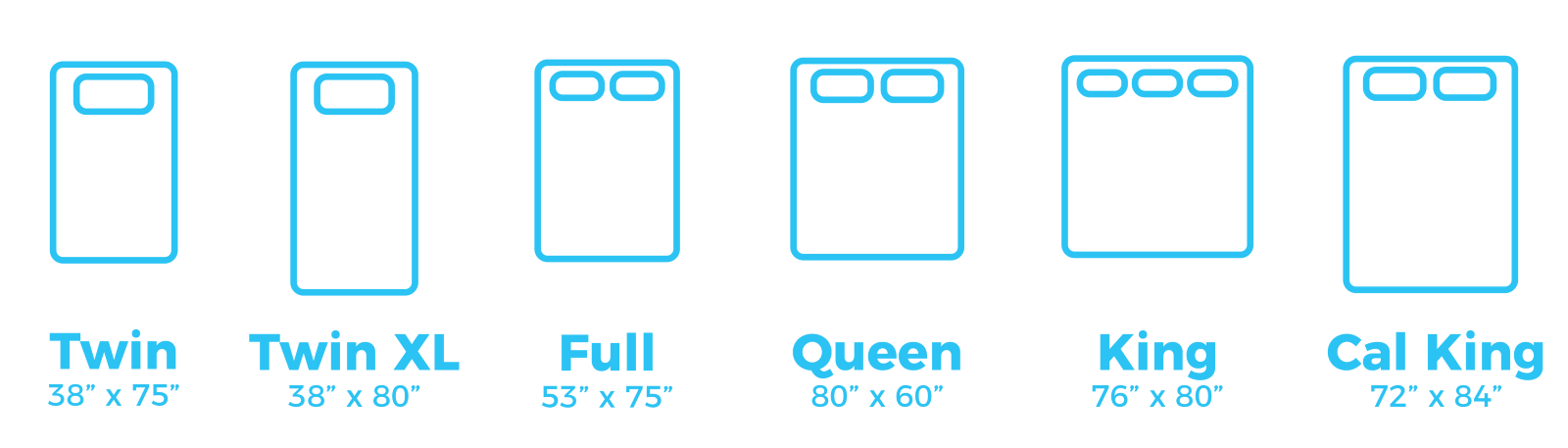
- Twin: Best for kids or small spaces
- Twin XL: Great for taller sleepers
- Full: Good for single sleepers wanting more room
- Queen: Most popular size for couples
- King: Maximum space and comfort
- California King: Best for taller individuals
When possible, think long term. A mattress should last years, so plan for your future needs as well.
Also Read: Mattress Sizes & Dimensions Guide (Twin – California King)
Key Features That Actually Matter
When choosing a mattress, focus on how it performs, not just how it sounds on paper.
- Motion Isolation
Reduces movement from your partner so you can sleep undisturbed - Pressure Relief
Helps reduce aches in shoulders, hips, and lower back - Edge Support
Keeps the mattress stable when sitting or sleeping near the edge - Cooling Technology
Helps regulate temperature and prevent overheating - Durability
Higher-quality materials hold their shape and comfort longer
Want to compare these features in real products? Explore our mattress collections to see how different models stack up.
Buying a Mattress Online vs In Store
Shopping online can be a great way to explore options and compare features, but it does not replace actually testing how a mattress feels. Comfort is subjective, and what looks good on paper may not feel right for your body.
Whenever possible, take the time to test a mattress in person. Lie down in your natural sleep position for several minutes and pay attention to how your body feels. This can help you avoid costly mistakes and ensure the mattress truly supports your needs.
| Option | Pros | Cons |
|---|---|---|
| Online | Convenient, more options, easy research | Cannot test comfort or support before buying |
| In Store | Try before you buy, expert guidance, real-time comparison | Takes more time and effort |
Common Mattress Buying Mistakes
Choosing the right mattress is not just about finding what feels good in the moment. Avoiding common mistakes can make the difference between restful sleep and ongoing discomfort. Understanding these pitfalls will help you make a more confident and informed decision.
- Choosing based only on price: A mattress is an investment in your sleep. Lower cost does not always mean better value if it lacks proper support or durability.
- Ignoring your sleep position: Your sleep style directly impacts what type of mattress will work best for your body.
- Not testing the mattress long enough: Spend time in your natural sleep position. A quick test does not give your body enough time to adjust.
- Skipping trial period and warranty details: Understanding return policies and coverage can save you time and frustration later.
- Focusing on brand instead of fit: The best mattress is not about the name, it is about how well it supports your body and sleep needs.
- Ignoring compatibility with your base or frame: A new mattress needs proper support to perform correctly. An old or incompatible foundation can reduce comfort and durability.
A mattress is something you use every night. Taking the time to choose the right one will help you avoid discomfort, poor sleep, and unnecessary replacements.
Accessories and Add-Ons to Consider
Adding the right accessories to your mattress can improve comfort, extend its lifespan, and enhance your overall sleep experience. These upgrades are not required, but they can make a noticeable difference in how your mattress performs over time.
- Adjustable Bases: Adjustable bases can add extra comfort and support by allowing you to elevate your head or legs. This can help reduce snoring, improve airflow, relieve pressure on the lower back, and support circulation in the legs.
- Mattress Protectors: A mattress protector helps protect your investment by preventing moisture, spills, and allergens from reaching the mattress. This can improve hygiene and help extend the life of your mattress.
- Pillows: Pillows play a key role in proper alignment and comfort. It is advised to replace your pillow along with your mattress to optimize support and comfort by selecting a pillow that matches the mattress you choose and the way you sleep.
Choosing the right combination of mattress and accessories can help you get the most out of your sleep setup, both in comfort and long-term performance.
How Long Does a Mattress Last?
Most mattresses have an average lifespan of 5–10 years, depending on how well they are maintained and the quality of materials used. Factors like regular use, body weight, and overall care can all impact how long a mattress performs at its best.
- Average Lifespan: Most mattresses last between 5–10 years, though higher-quality materials and proper care can extend their lifespan
- Signs It’s Time to Replace Your Mattress:
- Sagging deeper than 1 inch
- Waking up with consistent aches or stiffness
- Hearing squeaks or feeling uneven support
- Sleeping better somewhere else than your own bed
- How Care Affects Longevity: Using a mattress protector, rotating your mattress every 6-12 months, and keeping it in a clean, dry environment can help maintain comfort and extend its lifespan
Taking care of your mattress not only helps it last longer, but also ensures it continues to support your sleep night after night.
Also Read: How Often Should You Replace Your Mattress? Top 9 Signs
How to Choose With Confidence
The right mattress depends on your body, your sleep habits, and your comfort preferences.
Instead of chasing trends, focus on what actually helps you sleep better.
When you do that, you will make the right decision the first time.
If you’re ready to take the next step: Explore our mattress options and find what fits your comfort best

Find the Mattress Right for YOU
Don’t guess which is right for you. Get it right the first time. Take our virtual smartMATCH quiz to find mattress recommendations designed for your body’s unique needs.
Mattress Shopping FAQs
- Budget Mattresses ($200 to $600): Basic options, limited features.
Budget mattresses are affordable and provide essential support and comfort. They typically feature basic materials and construction, making them suitable for temporary use or children’s mattresses. - Value Mattresses ($600 to $1,000): Good quality, more comfort.
Value mattresses offer a balance of affordability and comfort, with better materials and construction than budget options. They are ideal for those seeking a good night’s sleep without breaking the bank and guest rooms. - Mid-Range Mattresses ($1,000 to $3,000): High-quality, good support and features.
Mid-range mattresses provide high-quality materials, advanced support systems, and enhanced comfort features. They are designed for long-term use and offer a great balance of support and luxury. - Premium or Luxury Mattresses ($3,000 and above): Top-of-the-line, excellent comfort and durability.
Premium mattresses are crafted from top-quality materials and offer superior comfort, support, and durability. They often include advanced technologies and luxurious features for the ultimate sleeping experience.
The best time to buy a mattress is:
- Holiday Sales: Such as Memorial Day, President’s Day, Labor Day, Black Friday, and Cyber Monday, when retailers offer significant discounts
- End of the Year Blowout: Retailers often release old models to make room for the new ones at the end of the year. You can find excellent deals on floor samples and discontinued product during this time
- Seasonal Sales: Often times, retailers will offer a sale for the season. Usually a Spring or Summer Sale when there are no holidays.
You should replace your mattress every 7 to 10 years, depending on the quality and condition, to ensure optimal comfort, hygiene, and support.
While trying a mattress in-store is ideal, online purchases often come with trial periods, allowing you to test the mattress at home risk-free.
BedMart is the best place to buy a mattress, offering expert personalized service, a wide range of quality products, a 365-night comfort guarantee, and free SmartDrop delivery within their delivery service areas.