
Advice
Latex Foam vs Memory Foam — Which One is Better for Your Back?
Back pain makes it hard to get the deep, restful sleep your body needs. When you shop for a new mattress, you’ll probably see two popular choices: memory foam and latex. These materials support your back and relieve pressure points.
This guide compares both options and gives you helpful tips to make your decision easier.
What Is Memory Foam?
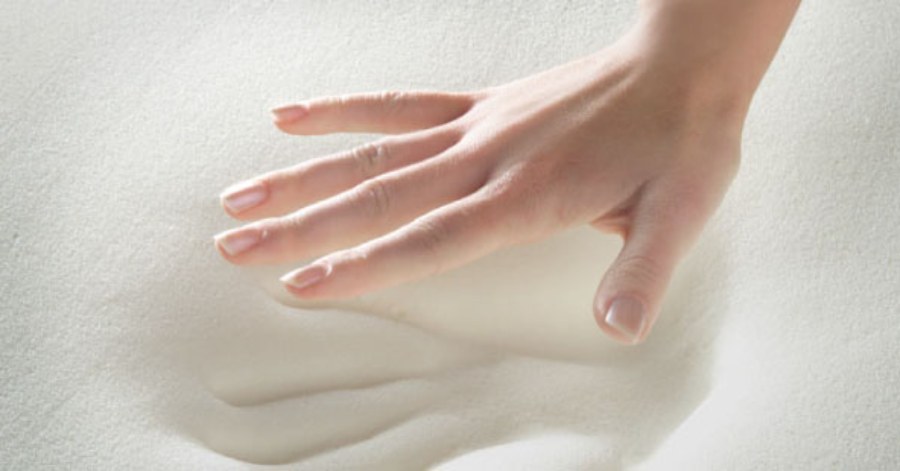
Memory foam isn’t just comfortable — it has space-age roots. Originally developed by NASA in the 1960s to cushion astronauts during launch and landing, this innovative material was designed to absorb shock and evenly distribute pressure. Today, that same technology is helping sleepers with back pain everywhere rest easier.
Memory foam contours to your body, responding to heat and weight to provide personalized support where you need it most. Whether you’re dealing with back pain or just want a more restful night’s sleep, it’s no surprise memory foam has become one of the most popular mattress materials on the market.
Browse our memory foam mattresses to find your perfect fit.
memory foam pros and cons
PROS:
- Deep Pressure Relief: Famously conforms to the contours of the body to provide deep pressure relief and support.
- Versatile Firmness Options: Has a wide variety of firmness levels, great for all types of sleepers.
- Cooling Technologies: Many come with a layer of cooling gel to prevent heat retention common in memory foam.
- Minimal Motion Transfer: Excellent for couples—movement stays isolated to one side of the bed.
- Chiropractor Recommended: Highly recommended by chiropractors and physicians for chronic back pain and nerve pain.
CONS:
- Can Trap Heat: Lower quality models can sleep warm if no cooling technologies are present.
- Slow Response Time: Some models have a slow response time — if you have mobility issues you should stay away from models that don’t respond quickly enough.
- Weak Edge Support: Lacks reinforced edges, making it less comfortable for sitting on the side of the bed.
- Temperature-Sensitive Feel: Most Memory Foam reacts to temperature by getting softer — Room and body temperature plays a major part in how the mattress feels.
Memory Foam is Recommended for:
Memory foam is recommended for people who need extra pressure relief, back pain, motion isolation, or body-contouring support. Here’s a breakdown of who benefits most:
Is Ideal For:
- People with back, hip, or shoulder pain: Memory foam cushions pressure points and supports spinal alignment
- Side sleepers: It molds to the body’s curves, relieving pressure on shoulders and hips
- Couples: It’s motion isolation means you’re less likely to feel your partner move at night
- People who like a “hugged” feeling: Memory foam responds to heat and pressure for a sleep surface adapted specifically to your body and the way you sleep
- Allergy sufferers: Most memory foam is resistant to dust mites and allergens
May Not Be Ideal For:
- Hot sleepers: Unless it’s infused with cooling gel, phase change, open-cell, or other cooling technology — traditional memory foam can trap heat
- People who prefer an ultra-firm/table top sleep surface or responsive feel: Because the material is designed to conform, it’s more likely to envelope the sleeper and slower to respond to movement than latex or innerspring beds
- Heavier individuals: Deep sinkage may affect support unless using high-density foams or hybrid designs
- People with severe mobility issues: Because memory foam is designed to instantly conform to your position, it is not the easiest material to navigate for those with mobility issues
Most recommended memory foam mattresses
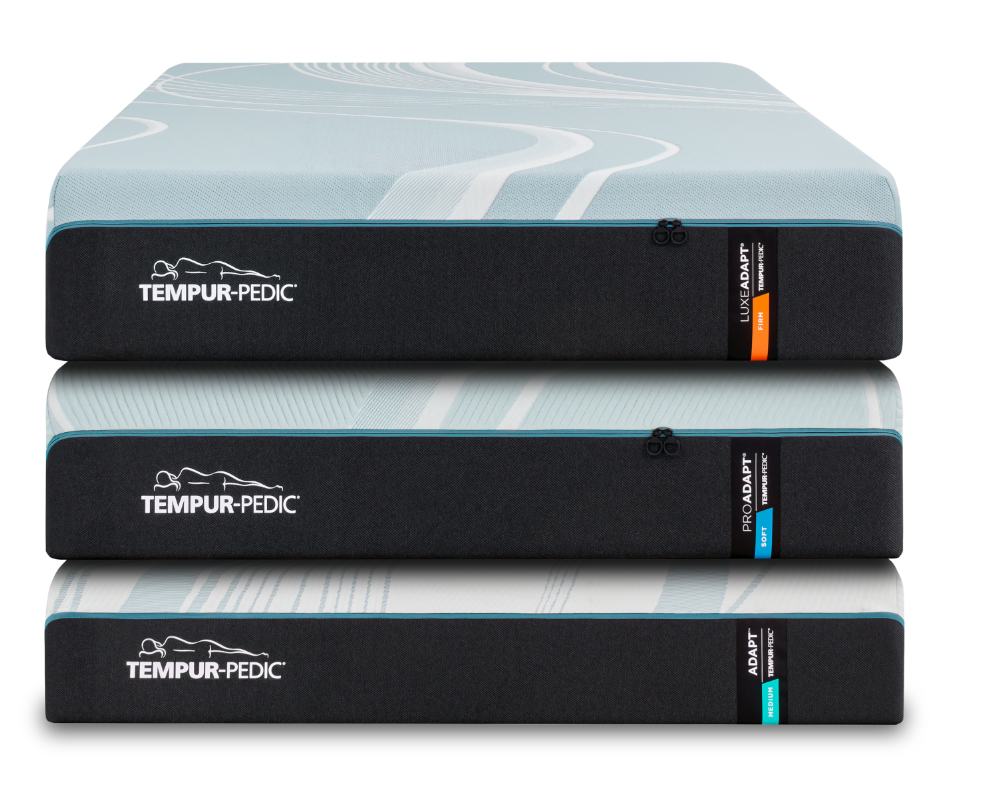
Adapt™ Collection by Tempur-pedic®
Designed for deeper sleep.
The TEMPUR-Adapt™ Collection features the latest
advancements in the one-of-a-kind, infinitely adaptable,
and body-conforming TEMPUR-Material™ – for exceptional
pressure relief to reduce aches and pains and to get your
best night’s sleep.
- Made with TEMPUR-Material™
- Pressure Relief
- Motion Cancellation
What is latex foam?
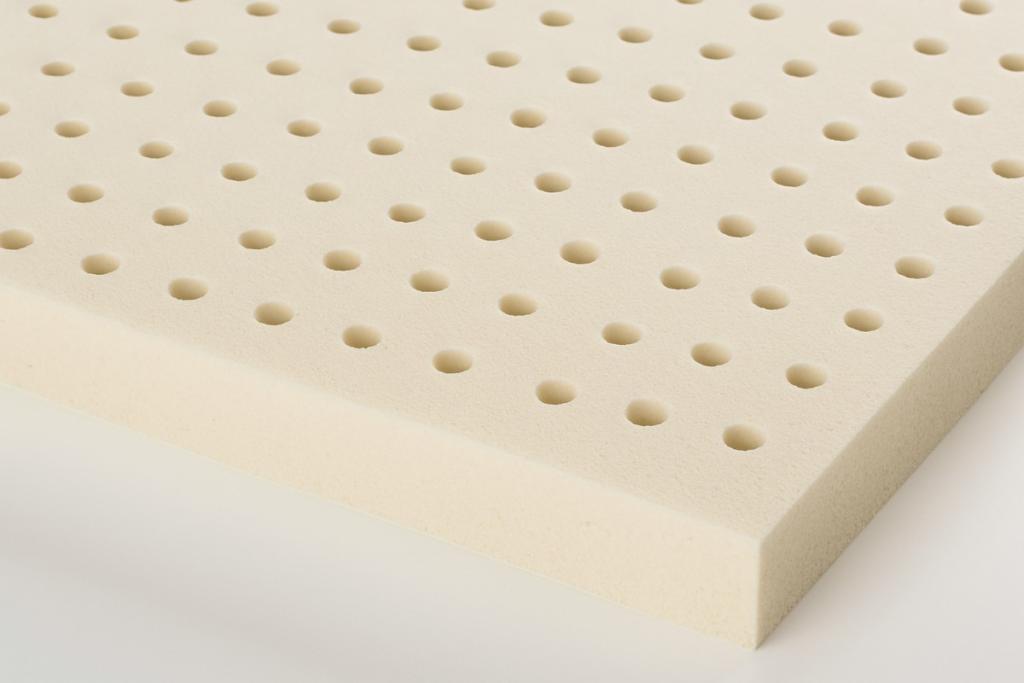
Latex foam is a resilient material made from either natural rubber tree sap, synthetic latex, or a blend of both. Known for its responsive feel, breathability, and long-term durability, latex is a standout alternative to memory foam—especially for people looking to support their spine and reduce pressure on their joints.
There are two main types of latex: Dunlop and Talalay. While both start from the same raw material, the differences in their manufacturing processes result in very different performance and sleep experiences.
Dunlop vs. Talalay: What’s the Difference?
Latex foam comes in two main types: Dunlop and Talalay. Both are made from natural rubber tree sap or blended with synthetic materials, but the way they’re processed changes how they feel and perform—especially when it comes to back support, comfort, and breathability.
Dunlop Latex:
- Made by pouring whipped latex into a mold and baking it in one go.
- Tends to be denser and firmer—especially at the bottom.
- Can have slight inconsistencies in feel throughout the foam.
- Less breathable due to the compact structure.
- Often more affordable and commonly used in the core of a mattress.
Talalay Latex:
- The latex is partially poured, then vacuum-sealed, flash-frozen, and baked—creating a more consistent structure.
- Offers a lighter, more buoyant feel that evenly contours to your body.
- Features an open-cell structure for better airflow and temperature regulation.
- Slightly more expensive due to its complex process—but often preferred in comfort layers.
- Known for better pressure relief and balanced support, making it ideal for back health.
In short, Talalay latex tends to be more breathable, consistent, and pressure-relieving—making it a top choice for people with back pain who want both support and comfort.
Talalay’s Open-Cell Advantage
Why Talalay may be better for spinal alignment and back support.
Truly Open Cell Structure:
Talalay latex is crafted using a vacuum and flash-freeze process. This creates microscopic interconnected air cells throughout the foam—not just visible perforations. This open-cell matrix boosts airflow and as a result, cooling.
Consistent Buoyant Support:
With uniform density and gentle bounce, Talalay helps maintain spinal alignment instead of allowing the body to sink too deeply—key for back health.
Fast Responsiveness:
Talalay springs back quickly when you move, avoiding the “stuck” feeling that some memory foams can create—great for combination sleepers and relief from pressure points.
Temperature Regulation:
Due to its less dense, open-cell structure, Talalay allows more airflow in the comfort layer and sleeps noticeably cooler than Dunlop or memory foam.
Recommended by Sleep Professionals:
Its balanced structure—offering comfort, pressure relief, and support—makes Talalay a frequent recommendation from chiropractors or sleep specialists for those targeting better spinal alignment.
In summary, both Dunlop and Talalay have benefits, but when it comes to comfort-layer latex that supports spinal health, Talalay is often the more effective choice—especially for those dealing with back pain. Its more breathable, softly buoyant, and consistent structure helps maintain proper alignment and reduce pressure throughout the night.
Latex Foam Pros and cons
PROS:
- Naturally Supportive: Offers gentle contouring while maintaining firm support—great for spinal alignment.
- Highly Durable: Latex foam can last longer than most traditional foams, maintaining shape for years.
- Responsive Bounce: Unlike memory foam, latex quickly adjusts to movement, making it easier to change sleep positions.
- Breathable: Open-cell structure (especially in Talalay) allows for better airflow and cooler sleep.
- Eco-Friendly: Natural latex is biodegradable and sustainably harvested from rubber trees.
- Hypoallergenic: Naturally resistant to dust mites, mold, and bacteria—ideal for allergy-prone sleepers.
CONS:
- Higher Price Point: Natural latex tends to cost more due to its quality and eco-conscious production.
- Heavier Material: Latex mattresses can be bulky and harder to move.
- Less Sink-In Feel: If you prefer the deep contour of memory foam, latex may feel too buoyant.
- Can Be Too Firm (Dunlop): Some sleepers find Dunlop latex firmer than desired, especially without a plush comfort layer.
Latex Foam is Recommended for:
When deciding whether latex foam is right for your sleep needs, it’s helpful to understand who benefits most from this unique material. Known for its responsive feel, breathability, and natural composition, latex foam offers a supportive sleep experience. However, it may not be ideal for everyone.
Below, we break down who latex is best suited for—and who might want to explore other options.
Is Ideal For:
- People with back or joint pain: Latex offers buoyant support that helps maintain spinal alignment and reduces pressure without sinking too deeply.
- Hot sleepers: Its open-cell structure and natural breathability help dissipate heat throughout the night.
- Eco-conscious shoppers: Because natural latex is sustainably harvested and biodegradable, it is a top choice for environmentally friendly bedding.
- Combination sleepers: The responsive nature of latex makes it easier to move and change positions without feeling stuck.
- Allergy sufferers: Latex is naturally resistant to dust mites, mold, and mildew. Manufacturers thoroughly remove the proteins that can trigger latex allergies through a 5-stage wash process during manufacturing—making most latex mattresses safe for those with sensitivities.
May Not Be Ideal For:
- People who prefer a plush, sinking feel: Latex tends to have a buoyant, lifted sensation rather than a “hugging” effect like memory foam.
- Those with a latex allergy: While reactions are rare with properly processed latex, it’s still something to consider for highly sensitive individuals. Look for certifications like Oeko-Tex Standard 100, GREENGUARD Gold, eco-INSTITUT, or GOLS (Global Organic Latex Standard) to ensure purity.
- Shoppers on a tight budget: Natural latex mattresses are often more expensive than synthetic foams due to their durability and eco-friendly sourcing.
Most recommended latex foam mattresses
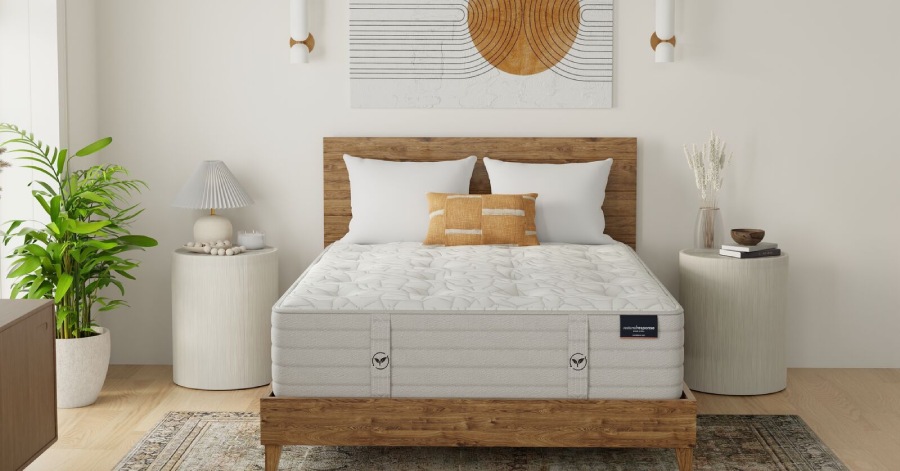
Natural Response™ Collection by King-Koil®
Naturally Restful, Purely Comfortable.
The Natural Response™ Collection unlock the natural benefits of Talalay latex – simple, honest, harm-free materials – to craft a one-of-a-kind mattress for the purest sleep possible. Every molecule, stitch, and inch is meticulously considered to deliver consistent and unmatched quality, and durability for a healthy, transformative sleep experience.
- Talalay Latex Comfort
- Naturally Breathable & Cooling
- Zoned Support for Pressure Relief
Which Foam Type Is Better for Back Pain?
When it comes to easing back pain, both memory foam and latex foam offer benefits—depending on your sleep style and comfort needs.
Memory Foam: Is ideal for those who need deep pressure relief and enjoy a “hugged” feeling, especially helpful for side sleepers or people with nerve-related pain.
Latex Foam: Particularly Talalay latex, provides buoyant support and promotes spinal alignment, making it a favorite for back and stomach sleepers or anyone who prefers a more responsive surface.
latex vs memory foam comparison table
| Features | Memory Foam | Latex Foam |
|---|---|---|
| Pressure Relief | Excellent (deep contouring) | Good (more surface support) |
| Cooling | Fair (good if additional cooling technologies are added) | Very Good (breathable) |
| Durability | 7-15 years | 10-20 years |
| Motion Transfer | Excellent | Good |
| Eco-friendliness | Low to Medium (except for Tempur-Pedic, a no waste facility) | High (natural material, biodegradable) |
| Spinal Support | Excellent | Excellent |
| Responsiveness | Low to Medium (great for motion transfer) | High (derived from rubber sap, it bounces right back) |
Final Takeaway
While both Memory Foam and Latex can ease back pain, the best results often come when you choose a mattress tailored to your body’s movements, sleep preferences, and pain levels.
That’s where SmartMATCH® comes in — our in-store diagnostic system and our online Virtual SmartMATCH® Analysis takes the guesswork out of mattress shopping by matching you to the support your back truly needs.

Don’t guess which is right for you. Get it right the first time. Take our virtual SmartMATCH® quiz to find mattress recommendations designed for your body’s unique needs.
Why BedMart?
At BedMart, we believe finding the right mattress should be simple and stress-free. That’s why we combine expert service with smart technology to help you get the best night’s sleep. For over 30 years, we’ve been a locally and family-owned business—offering personalized support, competitive pricing, and premium mattress brands our customers can count on.

When you shop with us, you get:

- Access to our exclusive SmartMATCH® system for personalized mattress recommendations
- A 365-Night Comfort Guarantee exchange policy to ensure you love your choice
- White glove delivery and setup services
- Easy online shopping with local customer care
- A no-pressure, family-friendly shopping experience in-store or online
We’re here to match you with the mattress that fits your life — not just your bed.